In the highly competitive chemical manufacturing industry, packaging clean concentrated liquids presents a unique set of challenges. From high-viscosity degreasers to foaming surfactants and corrosive disinfectants, faulty filling equipment can lead to frequent breakdowns, product waste, and costly downtime.
For many manufacturers, the solution lies in a technology renowned for its precision and ease of use: peristaltic pump filling machines. Unlike traditional piston or gear pumps, peristaltic pump systems offer a “non-contact” fluid pathway, revolutionizing the handling of corrosive chemicals.
This article will explore why switching to peristaltic pump filling is the best option for your production line.
1. Complete Chemical Isolation: Protecting Your Equipment(Key Points: Durability and Maintenance Cost Savings) The biggest advantage of using a peristaltic pump filling machine to clean concentrated liquids is chemical isolation. In standard piston filling machines, the product comes into direct contact with the metal cylinder, O-rings, and seals. Over time, strong acids (such as toilet cleaners) or strong alkalis (such as powerful degreasers) can corrode these components, leading to leaks and particulate contamination. Using a peristaltic pump system, fluid only comes into contact with the tubing, keeping the pump itself dry and uncontaminated.
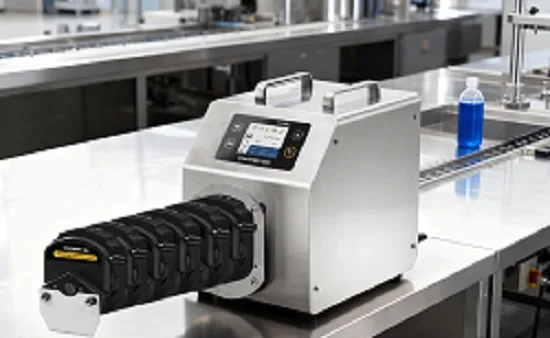
Advantages: Eliminates the risk of pump corrosion.
Solution: Choosing suitable chemically resistant tubing (such as fluororubber or dedicated Tygon® tubing) ensures that even with the most corrosive bleach or solvent-based formulations, the flexible tubing will not cause wear and tear on the machine.
2. Zero Cross-Contamination and Rapid Changeover(Focus: Providing speed and flexibility for contract packaging suppliers) Are you filling multiple products on the same production line? For example, filling pine-scented cleaners in the morning and unscented disinfectants in the afternoon? Traditional filling machines require time-consuming disassembly and cleaning (CIP) to prevent odors or chemical residues. Peristaltic pump filling machines solve this problem with a simple concept: change the tubing, change the product.
Process: Remove the used tubing, rinse the nozzle, and then install the new tubing.
Result: The changeover process can be completed in under 5 minutes, with an absolute guarantee that no substances from the previous run will remain. This is a disruptive technology for contract packaging companies handling multiple SKUs.
3. Foam and Viscosity Control (Focus: Product Quality and Appearance) Clean concentrates are known for two characteristics: viscosity and a tendency to foam when stirred.
Handling Viscosity: Peristaltic pumps generate powerful suction, drawing viscous concentrates from tanks or containers without the need for pressurized hoppers.
Controlling Foam: Unlike centrifugal pumps, which can introduce air into the liquid, peristaltic pumps are gentler. Combined with a submersible nozzle system (bottom-up filling), even highly foaming surfactants can be filled at high speeds without causing foam overflow.
Professional Tip: Choose a machine with a "back-suction" function. This function slightly reverses the pump's direction of operation at the end of filling, drawing any remaining droplets back to the nozzle, ensuring clean bottles and conveyor belts.
Conclusion : Investing in the right filling technology is crucial for long-term profitability. For clean concentrates, peristaltic pump filling machines offer unparalleled advantages in chemical resistance, hygiene, and operational flexibility. By removing mechanical parts from the fluid path, you can ensure a longer machine lifespan and provide customers with higher quality products.