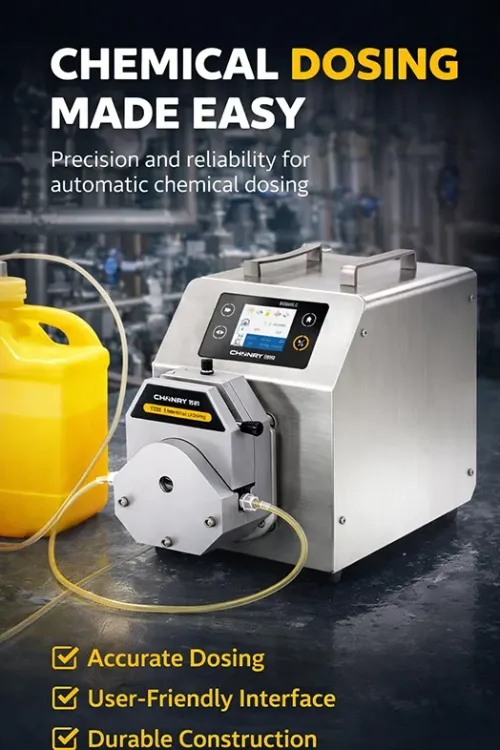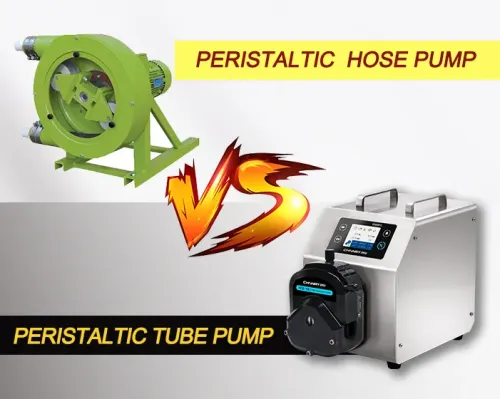
Many people don't learn about peristaltic pumps and they are often confused about how the difference between a peristaltic pump and a regular pump. Actually, they are different in working principle and application fields.
Different Working Principle
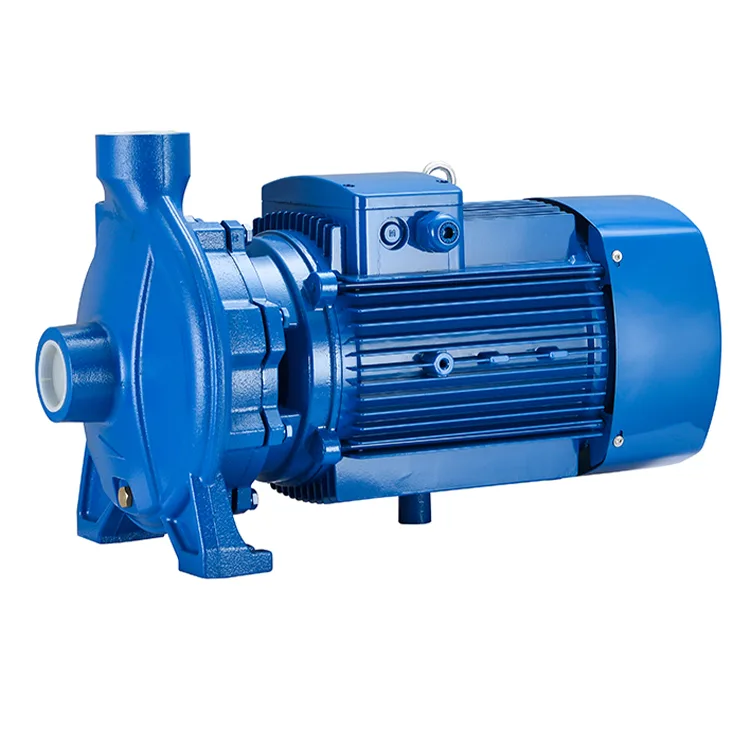
The working principle of a regular pump involves the use of a motor to create a mechanical force that drives a piston or impeller to move fluid from one location to another. The pump creates a vacuum or low-pressure area at the inlet, which draws fluid into the pump. As the motor turns, the piston or impeller rotates, creating pressure that forces the fluid through the outlet and into the desired location. The pump also features valves that prevent backflow and ensure that the fluid flows in the desired direction. The flow rate and pressure of the pump can be adjusted by changing the speed of the motor or the size of the pump components.
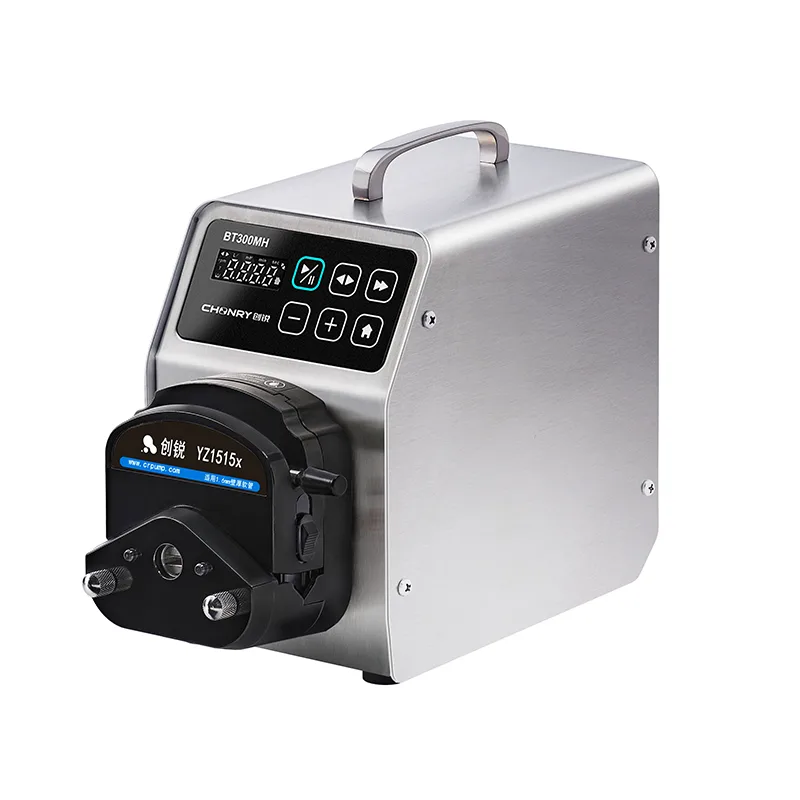
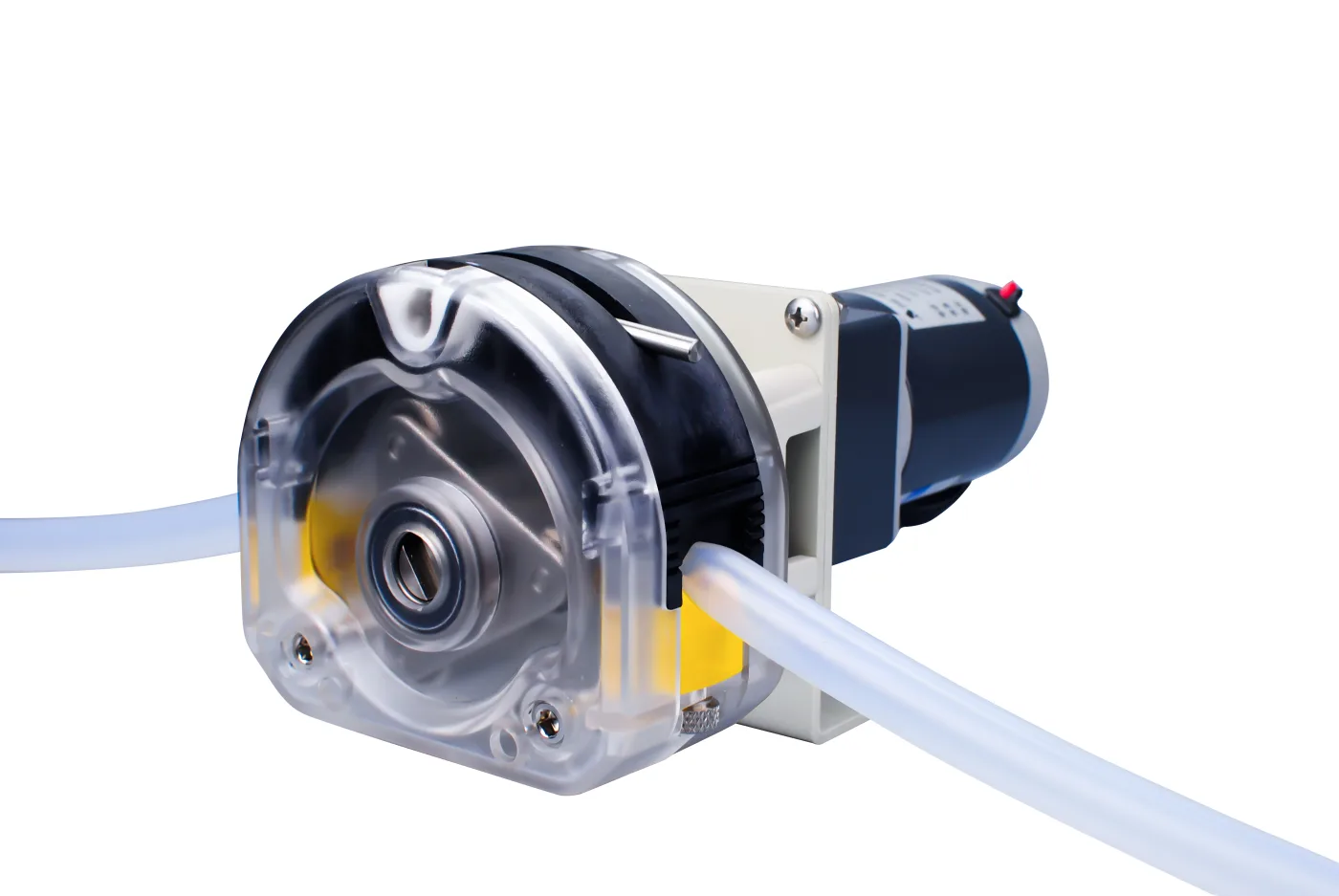
The working principle of a peristaltic pump involves the use of a flexible tube or hose that is squeezed and released by a series of rollers or shoes. As the rollers or shoes move along the length of the tube, they create a squeezing action that propels the fluid inside the tube forward.
The peristaltic pump works by creating a vacuum in the tube, which draws fluid into the pump. As the rollers or shoes move along the length of the tube, they compress the tube and force the fluid out of the pump. The flow rate of the pump is determined by the speed of the rollers or shoes and the diameter of the tube.
Different Application field
Regular pumps have a wide range of applications in various industries and settings. It is mainly used for pumping water with high efficiency and large flow. It is mainly applied in pumping oil, wastewater, agricultural irrigation, and providing water supply for fire protection.
Peristaltic pumps are mainly used for small-flow, high-accuracy liquid transfer and are usually used to transport some viscous, highly corrosive, high-purity, and medium-containing certain particles.
Peristaltic pumps are commonly used in medical applications, such as in dialysis machines and heart-lung machines, as well as in laboratory settings for precise fluid delivery. They are also used in industrial applications, such as in chemical processing, where they are ideal for pumping corrosive or abrasive fluids.